

Toe Walking in Children
It is quite common to see toddlers occasionally walk on their tiptoes when they are first learning to navigate the world. However, if a child continues to walk on their toes beyond the age of three, it warrants a closer look. Persistent toe walking can lead to structural changes in the feet and legs if left unaddressed.
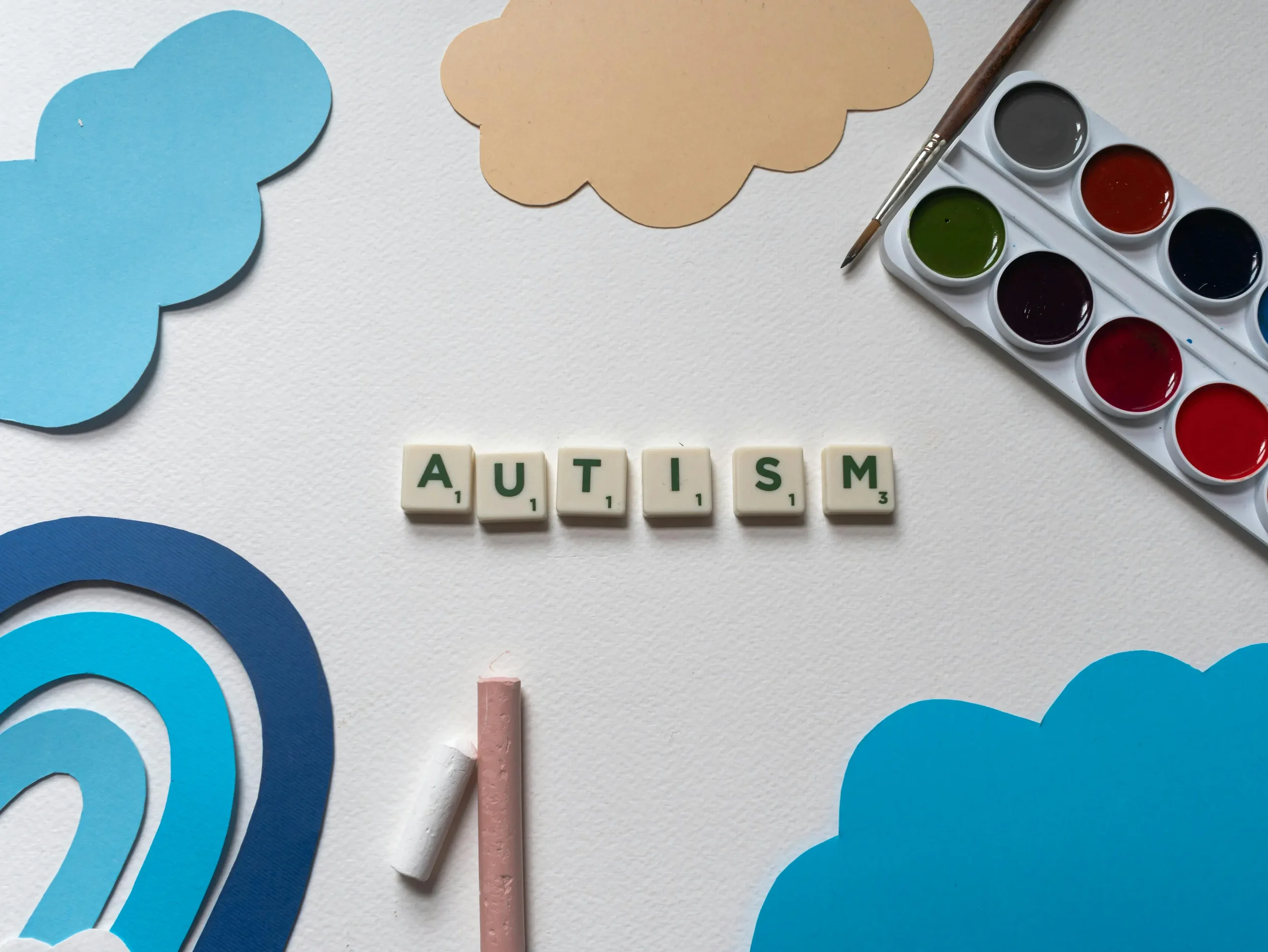
More Than Movement: How Physiotherapy Supports Children on the Autism Spectrum
When families think about support for their child on the autism spectrum, physiotherapy is not always the first thing that comes to mind. But for many autistic children, the physical side of development is just as important as speech, behaviour, or social skills and physiotherapy can make a meaningful difference.

Beyond the Seizure: How Physiotherapy Supports Children with Epilepsy
Every 26th of March, the world turns purple for Purple Day, a global day of awareness for epilepsy. At First Step Therapy Services, we support many children whose daily lives are touched by this condition. While epilepsy is primarily managed by neurologists and medication, the physical impact on a child's development is real and physiotherapy plays an important role in addressing it.
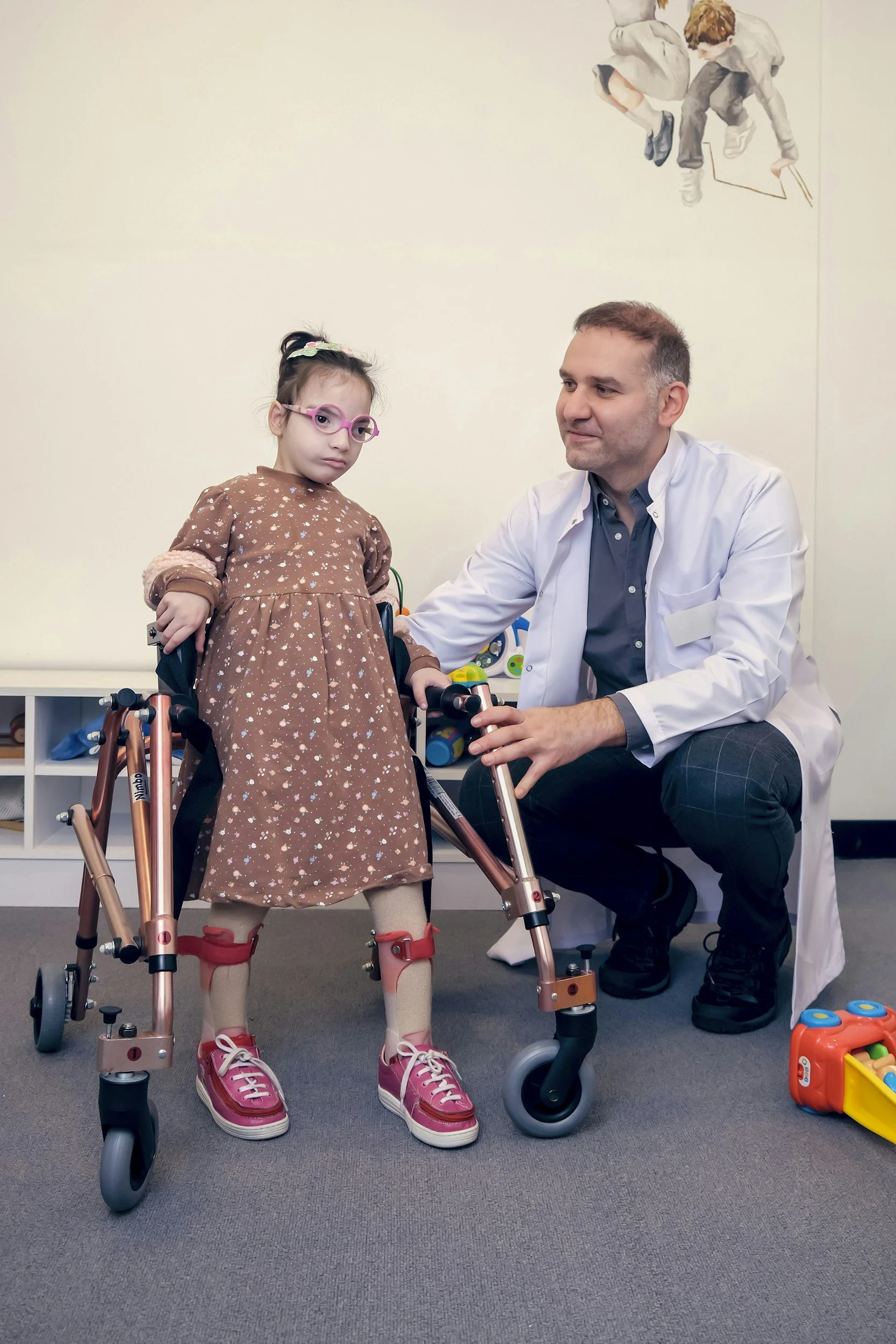
Moving Forward Together: Physiotherapy and Cerebral Palsy
March is Cerebral Palsy Awareness Month, a time to celebrate the strength of children and families living with CP, and to highlight the therapies that make a real difference every day.
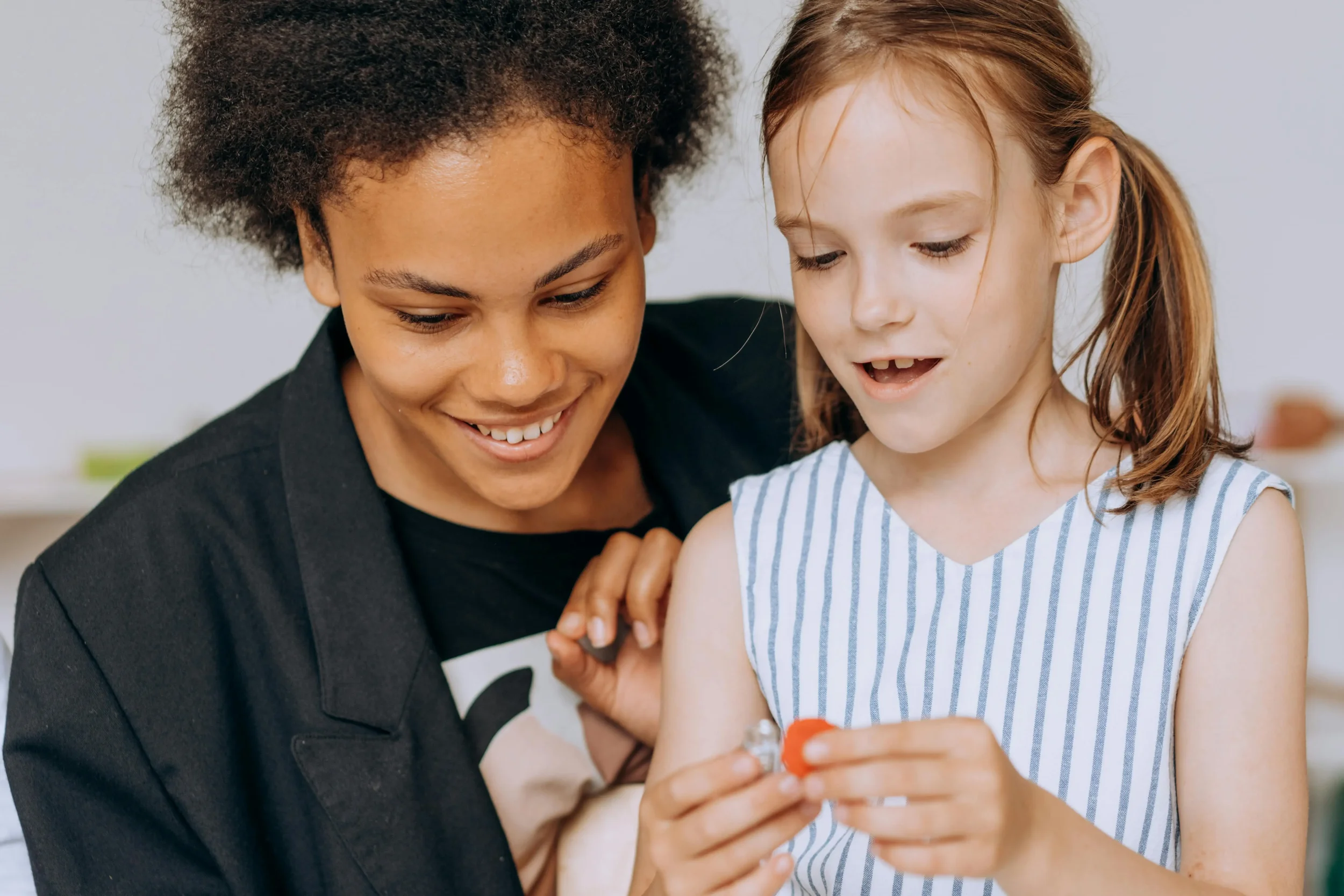
Supporting Non-Verbal Communication in Children with Disabilities
Non-verbal communication is essential for many children with disabilities. Our blog explores various communication methods, including gestures, visual aids, and assistive technology, to help children express themselves confidently.

Positive Behaviour Management Strategies for Children
Effective behaviour management fosters confidence, social skills, and emotional regulation in children. Our blog explores positive strategies to encourage appropriate behaviours while strengthening parent-child relationships.

Summer Ready for Kids: Staying Safe, Active and Happy
Get your child summer-ready with simple tips to stay safe, active and happy. From sun safety and hydration to supporting physical development through play, this guide helps families enjoy an active summer while reducing the risk of injury and overheating.
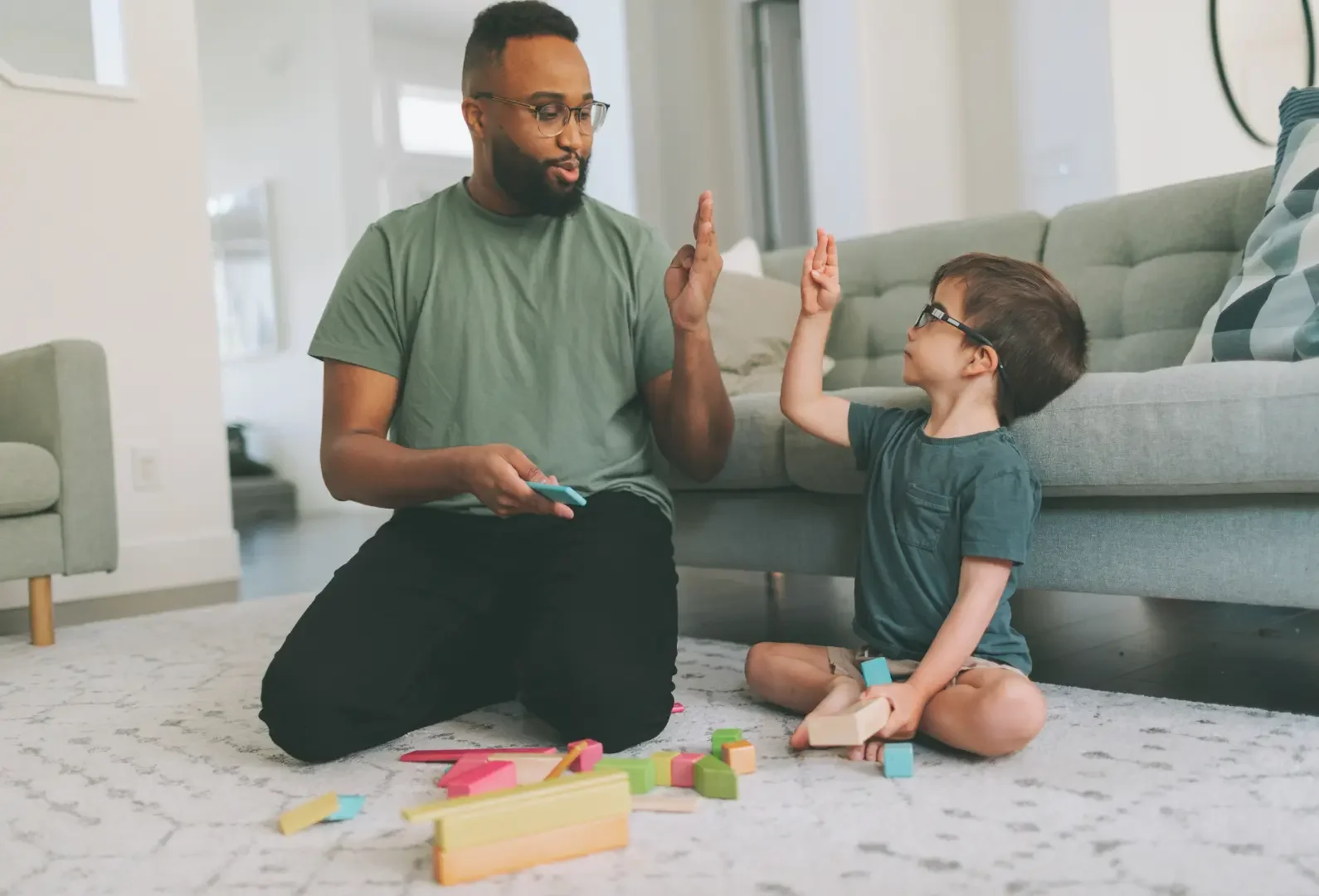
Using Keyword Sign to Support Communication in Children
Keyword Sign is a powerful communication tool for children with speech and language challenges. Our blog explores how this method enhances language skills, reduces frustration, and supports social interactions.
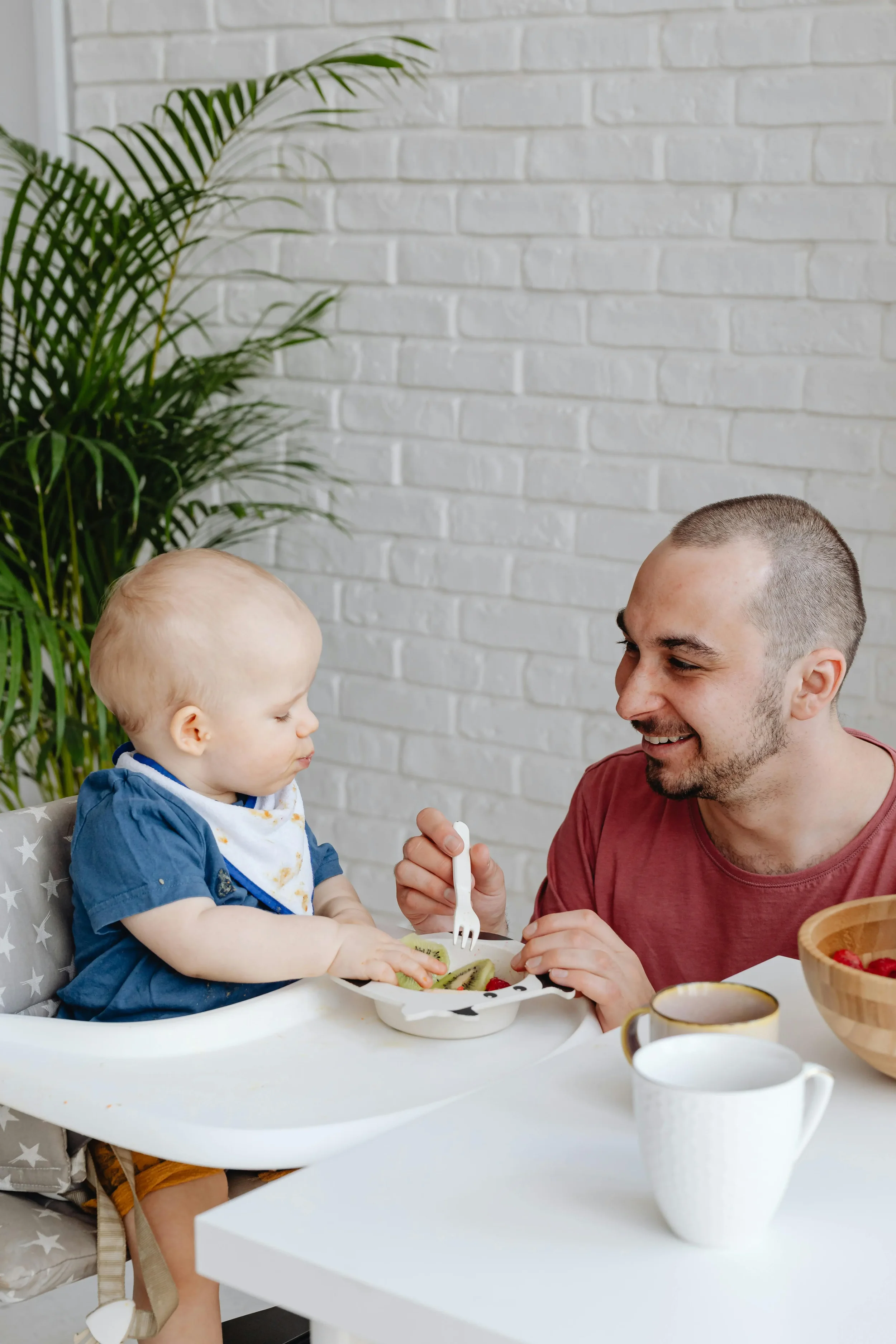
Mastering Feeding Techniques: Helping Children Develop Healthy Eating Skills
Feeding difficulties can be challenging for children and caregivers, but the right techniques make a difference. Our blog explores effective feeding strategies that promote safe swallowing, sensory acceptance, and independent eating.
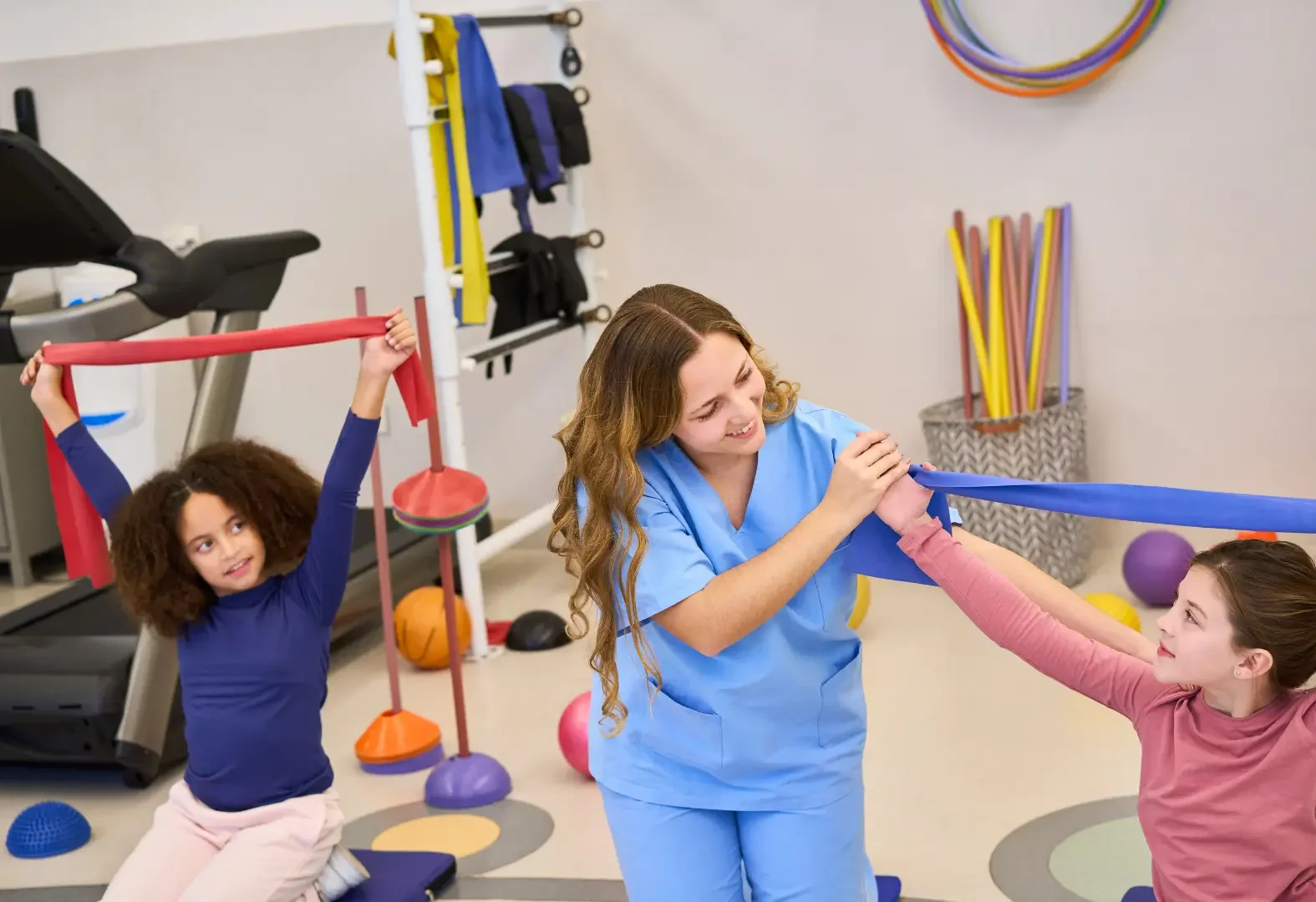
The Importance of Early Intervention in Pediatric Physiotherapy
In this blog, we discuss the value of early physiotherapy interventions and how early detection and treatment can lead to better long-term outcomes for children with developmental delays or disabilities. It also includes examples of common conditions treated early, such as cerebral palsy, developmental coordination disorder, or torticollis.
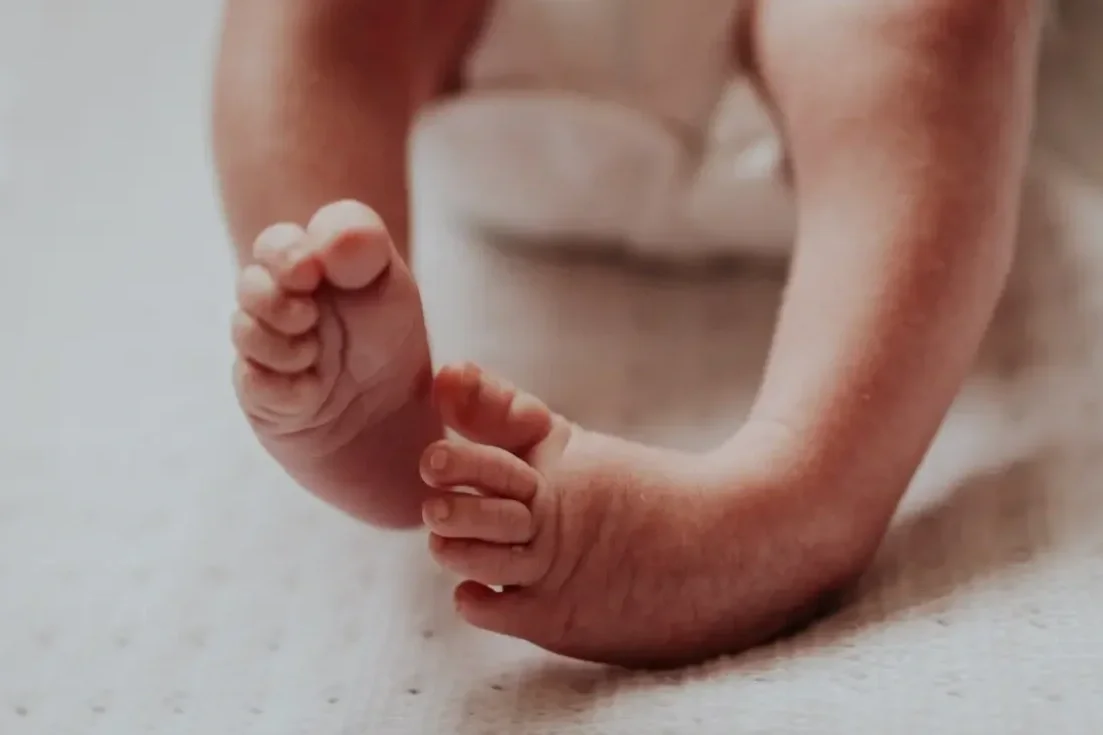
Positional Talipes: What You Need to Know
Positional talipes, often referred to as "flat feet" or "in-toeing," is a common condition in infants where the feet are positioned abnormally, but the bones are generally healthy. In this blog, we’ll discuss the causes, symptoms, and how early intervention through physiotherapy can help realign the feet, improving posture, movement, and development as the child grows.

How to Support Your Child’s Physical Development at Home
Provide practical tips for parents to continue supporting their child’s physical development outside of therapy sessions. This could include ideas for play, movement activities, and strengthening exercises that align with physiotherapy goals.

Top Strategies for Helping Children Overcome Walking Delays
Walking delays in children can be concerning, but with early intervention, a supportive environment, and tailored strategies, many can overcome these challenges and walk confidently. Every step forward is progress!
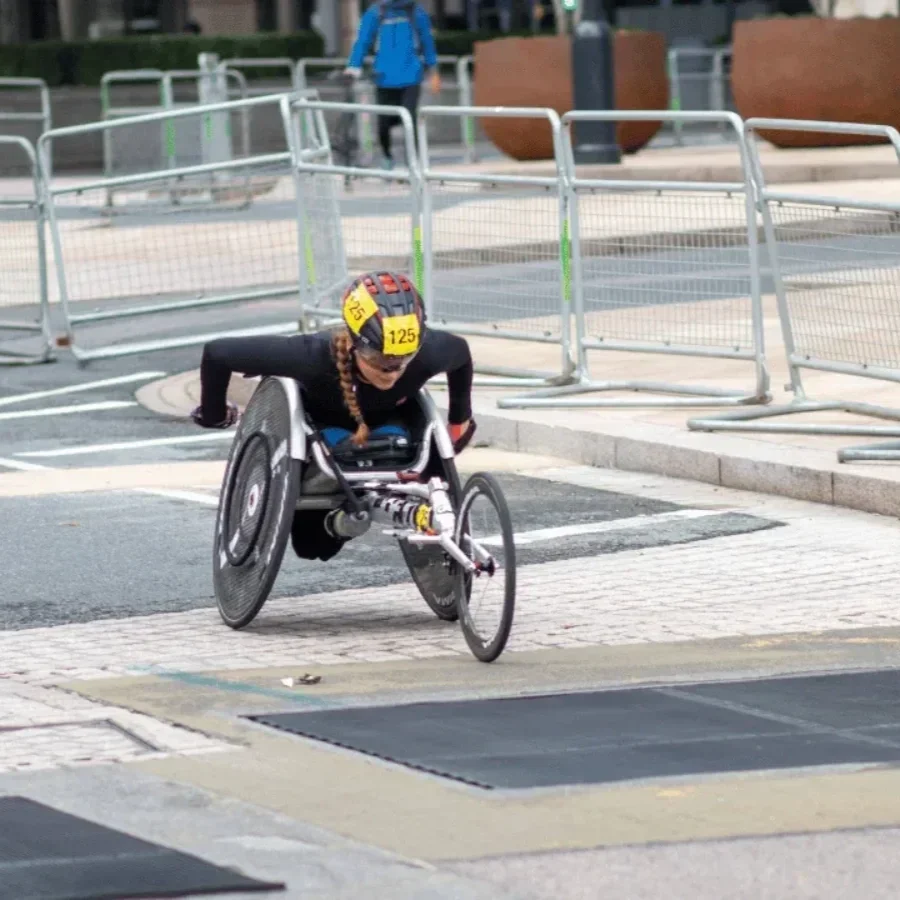
Breaking Barriers: How Para-Athletes Inspire Strength and Determination
Physiotherapy plays a vital role in empowering para-athletes to overcome challenges and achieve greatness. Our blog explores how tailored therapy enhances strength, mobility, and confidence, helping young athletes reach their full potential in sports and life.
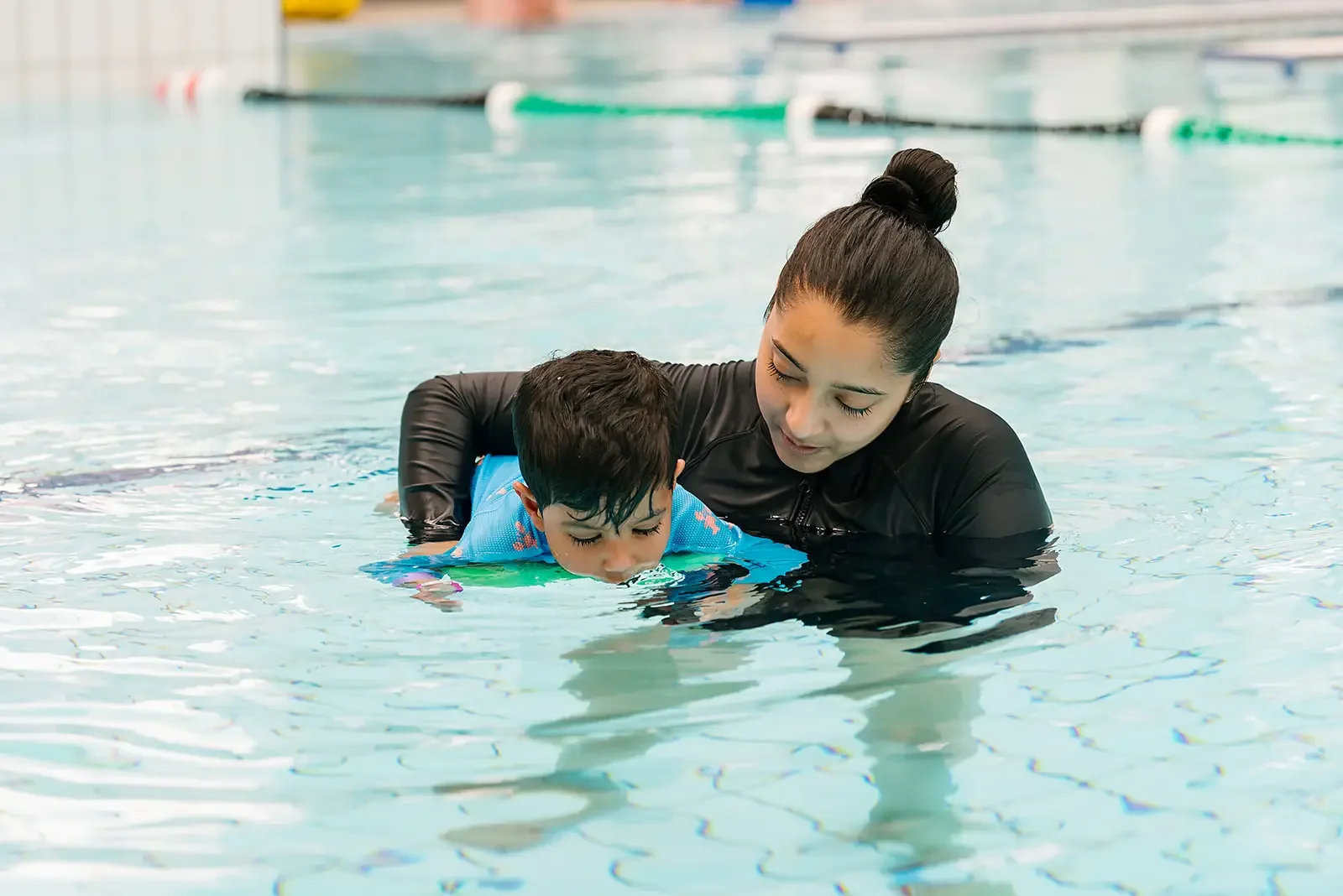
The Power of Aquatic Physiotherapy: Helping Children Thrive Through Water-Based Therapy
Our blog explores the benefits of hydrotherapy and how water-based therapy supports children with physical and developmental challenges.
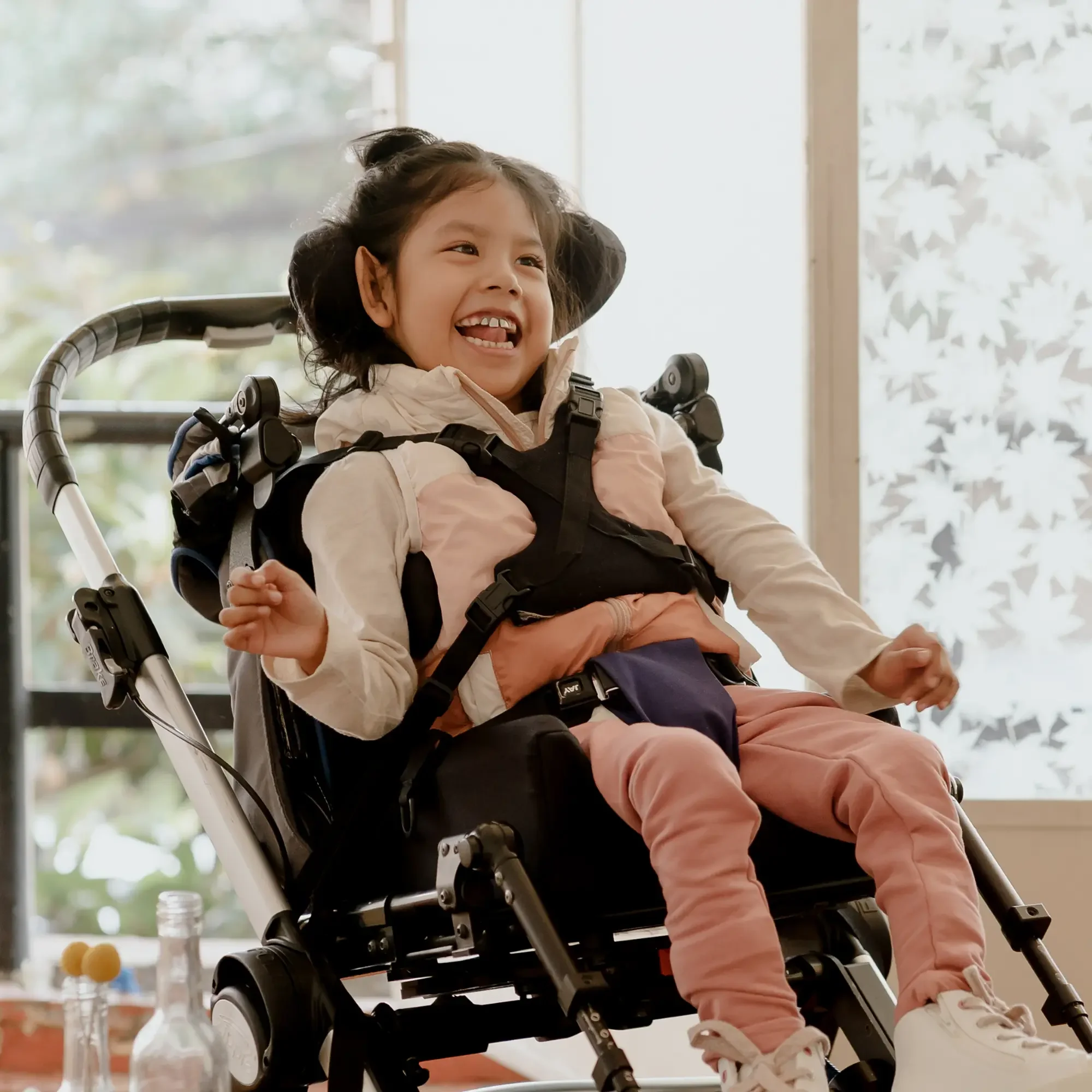
Chair for Toddlers: A Key to Comfort and Development
In this blog, we explore how these chairs can help toddlers with mobility or postural challenges engage more fully with their environment, fostering growth, play, and independence.
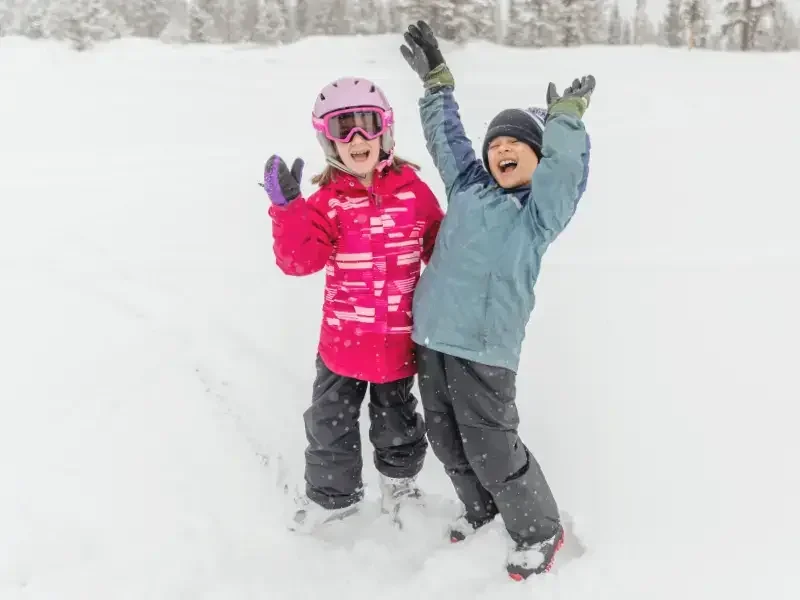
Stay Active and Healthy This Winter with Physiotherapy
Winter brings chilly days and stiff muscles—but that doesn’t mean your health has to hibernate! Discover how physiotherapy can help you prevent injuries, manage chronic conditions, and boost both physical and mental well-being throughout the colder months.
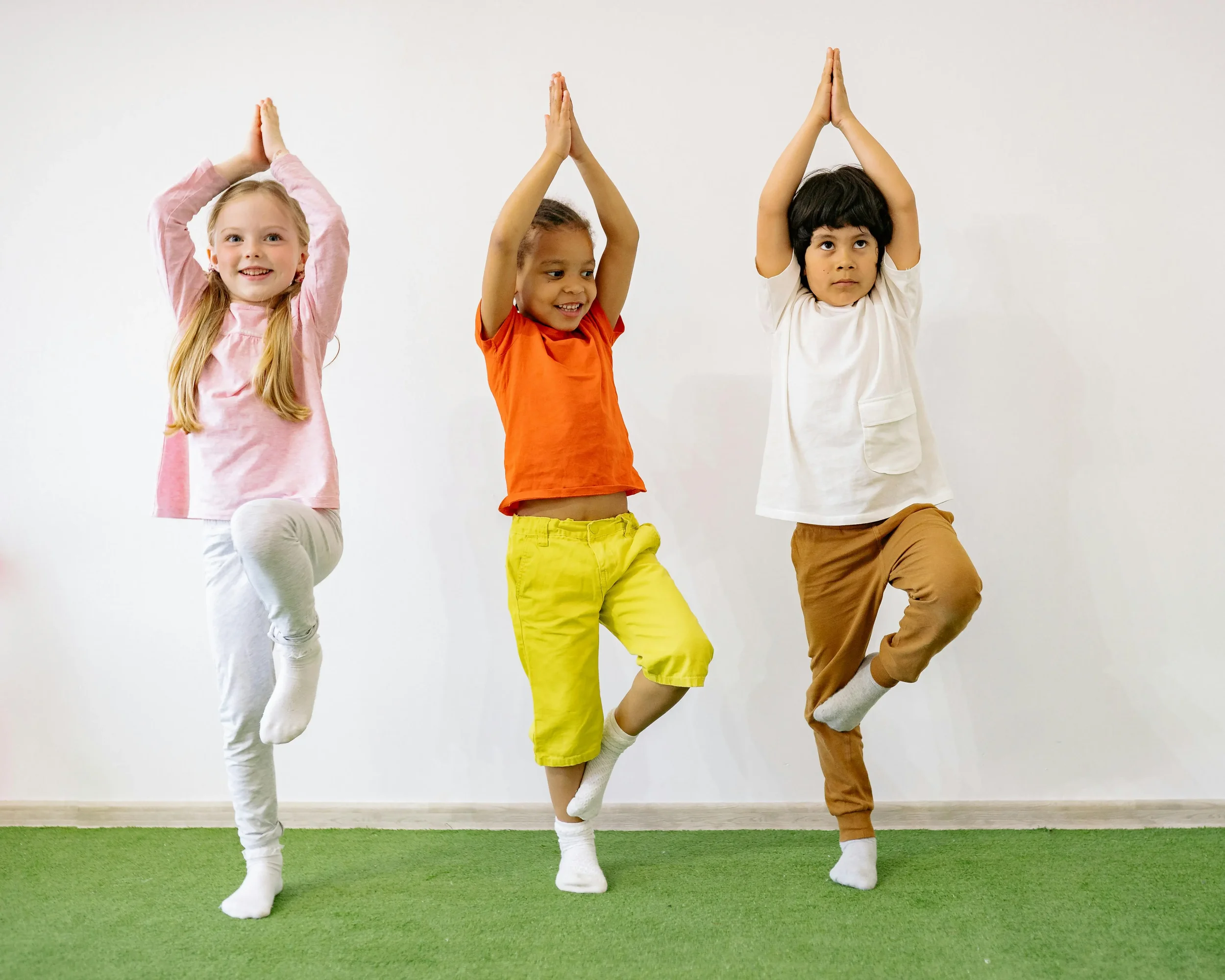
Simple Activities to Strengthen Your Child’s Core and Balance
Core strength and balance are fundamental to a child's overall development, playing a crucial role in tasks like sitting, walking, running, and maintaining focus. In our latest blog, we share simple and enjoyable ways to enhance your child’s skills through play!
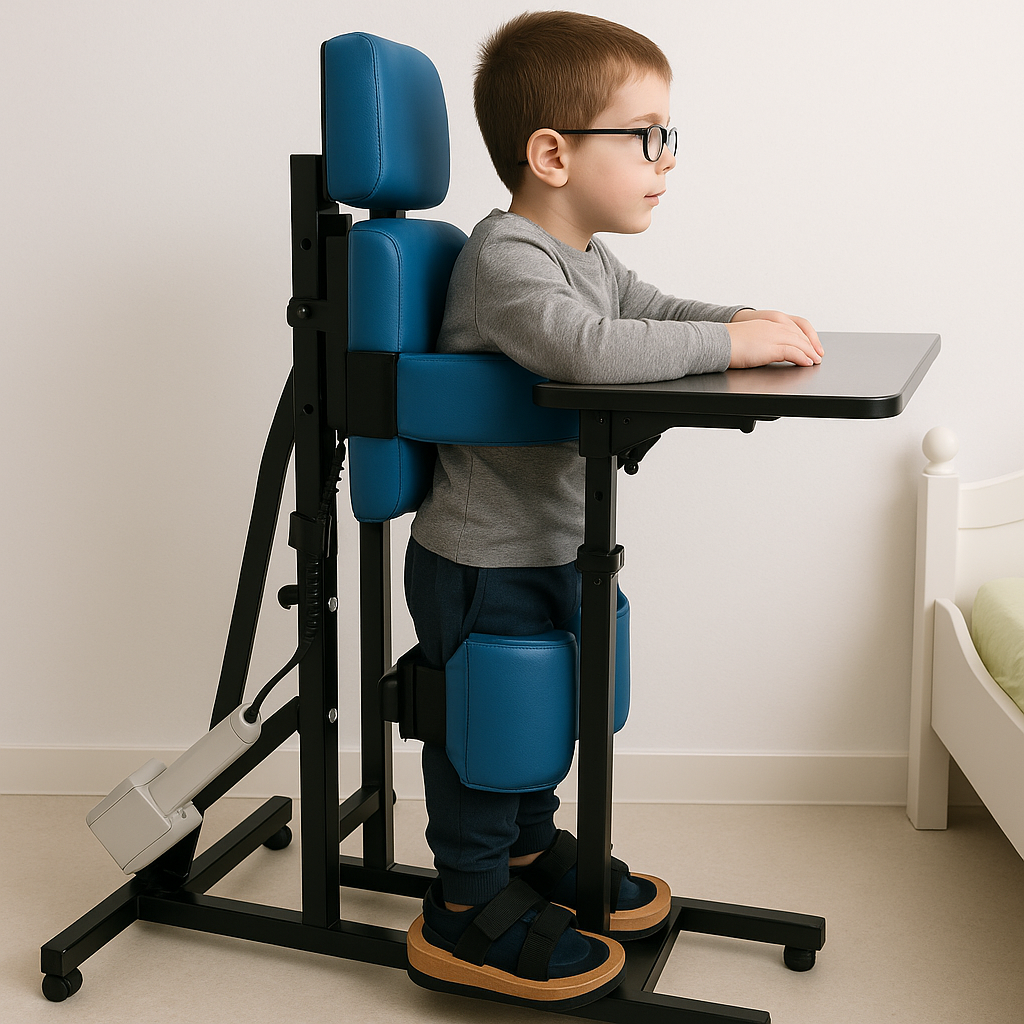
The Role of Standing Frames in Paediatric Therapy
Standing frames offer essential support for children with mobility challenges, promoting proper posture, bone strengthening, and improved social interaction. Learn how physiotherapists integrate these devices into personalized therapy plans to foster independence and physical development.
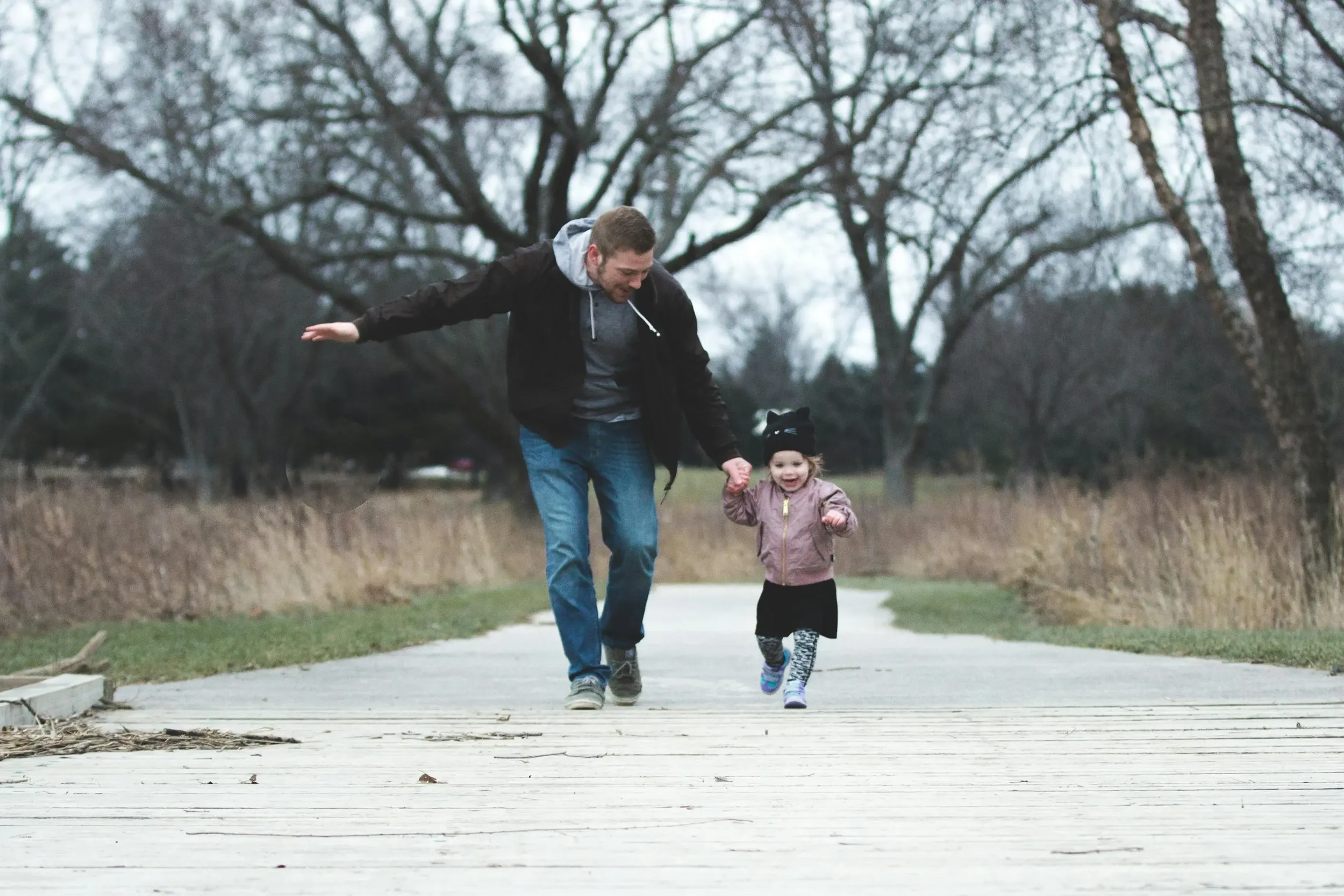
Why Parent Involvement is Crucial in Paediatric Physiotherapy
Explaining the importance of parents’ active participation in their child’s physiotherapy program. this blog shows how family engagement can enhance therapy outcomes, improve adherence to exercises, and strengthen the bond between parent and child.